
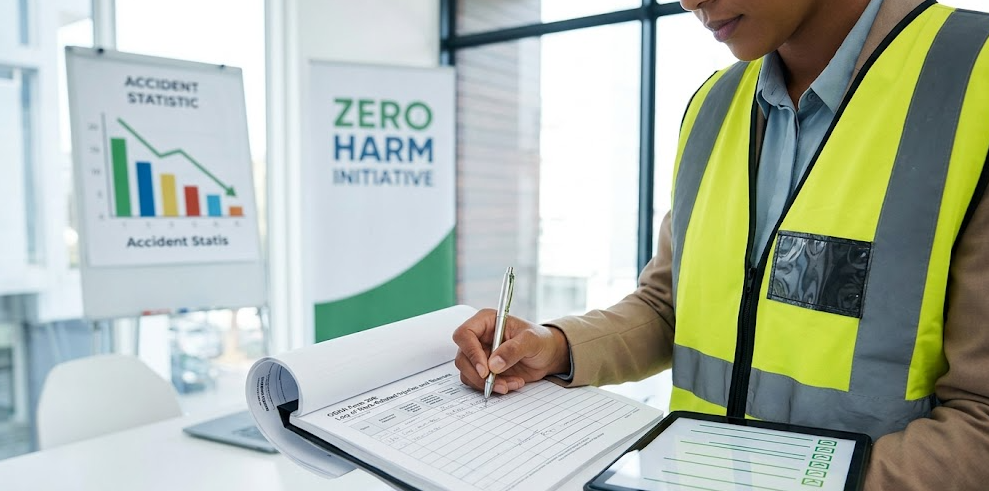
Accurate safety recordkeeping is one of the most overlooked yet critical aspects of workplace compliance, and understanding Osha 300 Log Requirements can help businesses avoid costly mistakes while improving overall safety performance. Many organizations assume that maintaining OSHA logs is a simple administrative task, but even small errors can lead to penalties, failed audits, and missed opportunities to identify workplace hazards, which is why having a clear understanding of requirements and best practices is essential for long-term success.
Why OSHA Recordkeeping Is More Than Just Compliance
OSHA recordkeeping goes beyond meeting legal obligations, as it provides valuable insights into workplace safety trends and helps organizations make informed decisions about risk management. The OSHA 300 Log serves as a central document that tracks injuries and illnesses, allowing employers to analyze patterns and implement preventive measures that reduce future incidents while improving employee safety and operational efficiency.
Common Mistakes Businesses Make
One of the most frequent mistakes organizations make is failing to correctly determine whether an incident is recordable, which often leads to either underreporting or overreporting, both of which can create compliance issues. Another common problem is incomplete documentation, where important details such as injury descriptions or classification of cases are missing, making the records unreliable and difficult to audit.
In addition, many businesses rely on outdated manual systems, which increase the risk of errors, delays, and inconsistencies in recordkeeping, ultimately affecting the accuracy and reliability of safety data.
What Should Be Included in OSHA Logs
To meet OSHA requirements, each log entry must include detailed information such as the employee’s name, job title, date of the incident, and a clear explanation of what occurred, along with the classification of the injury or illness and the outcome, such as days away from work or restricted duties. Maintaining supporting documents like incident reports and annual summaries is also essential to ensure complete and compliant recordkeeping.
Who Needs to Follow OSHA Log Requirements
Most organizations with more than ten employees in high-risk industries are required to maintain OSHA logs, while some low-risk sectors may be exempt from mandatory recordkeeping. However, even exempt businesses can benefit from maintaining internal records, as doing so helps monitor safety performance, identify risks, and prepare for unexpected inspections or reporting requests.
How Technology Helps Reduce Errors
Digital transformation has significantly improved how businesses handle OSHA compliance, with EHS management software providing automated solutions that reduce manual effort and improve accuracy. By using advanced tools, organizations can ensure that all required data is captured correctly, generate reports instantly, and maintain audit-ready records without the risk of human error.
Solutions like OSHEPRO simplify the entire process by integrating safety data into a single platform, enabling businesses to streamline compliance while gaining better visibility into workplace incidents and trends.
Preventing Incidents Through Better Safety Practices
While maintaining OSHA logs is important, preventing workplace incidents should always be the primary objective, which can be achieved through effective safety programs, regular training, and proper maintenance of equipment. Implementing procedures such as Osha Loto ensures that machinery is properly shut down and isolated during maintenance, significantly reducing the risk of accidents and creating a safer working environment for employees.
Best Practices to Stay Compliant
To maintain accurate and compliant OSHA records, businesses should establish clear processes for reporting and documenting incidents, assign responsibility to trained personnel, and ensure that all entries are recorded within the required timeframe. Regular audits and reviews are also important to identify and correct any errors or inconsistencies, while ongoing training helps employees understand their role in maintaining accurate records.
Consequences of Poor Recordkeeping
Failing to comply with OSHA 300 log requirements can result in serious consequences, including financial penalties, legal issues, and reputational damage, while inaccurate records can lead to poor decision-making and increased risk of workplace incidents. Without reliable data, organizations may struggle to identify hazards and implement effective safety measures, ultimately affecting both employee well-being and business performance.

Why OSHEPRO Is a Smart Choice
OSHEPRO offers a powerful EHS management software solution designed to simplify OSHA compliance and improve workplace safety, providing businesses with tools to automate recordkeeping, reduce errors, and analyze safety data effectively. By adopting such solutions, organizations can focus on proactive safety management while ensuring that all regulatory requirements are met efficiently and consistently.
Building a Culture of Safety and Accountability
Creating a safe workplace requires more than just compliance; it involves fostering a culture where safety is a shared responsibility among all employees. Encouraging open communication, recognizing safe behavior, and continuously improving processes are key factors in building a strong safety culture that supports long-term success and sustainability.
Conclusion
Understanding and properly implementing OSHA 300 log requirements is essential for avoiding costly mistakes and ensuring workplace safety, as accurate recordkeeping helps organizations identify risks, prevent incidents, and stay compliant with regulations. By leveraging modern tools, adopting best practices, and focusing on prevention, businesses can create a safer work environment while maintaining compliance with confidence.
Frequently Asked Questions
What are the most common OSHA 300 log mistakes?
Common mistakes include misclassifying incidents, incomplete documentation, and failing to record incidents within the required timeframe.
How can businesses avoid OSHA compliance errors?
Businesses can avoid errors by using EHS management software, training employees, and conducting regular audits of their safety records.
Why is accurate OSHA recordkeeping important?
Accurate recordkeeping helps identify workplace risks, ensures compliance with regulations, and supports better decision-making for improving safety.
Leave a Reply